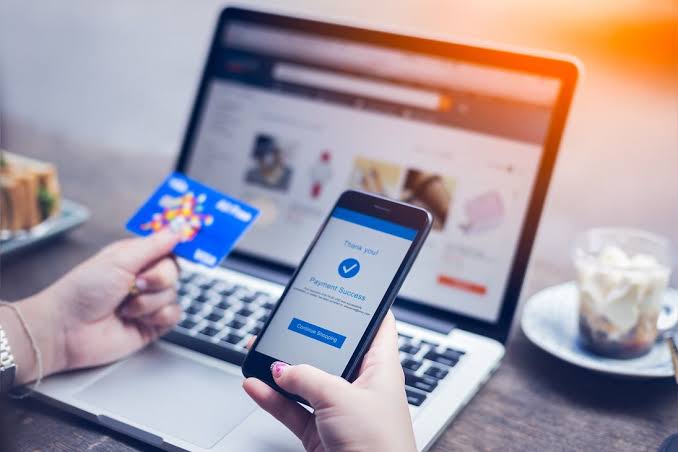
Electronic Payments: Convenience & Security
Introduction
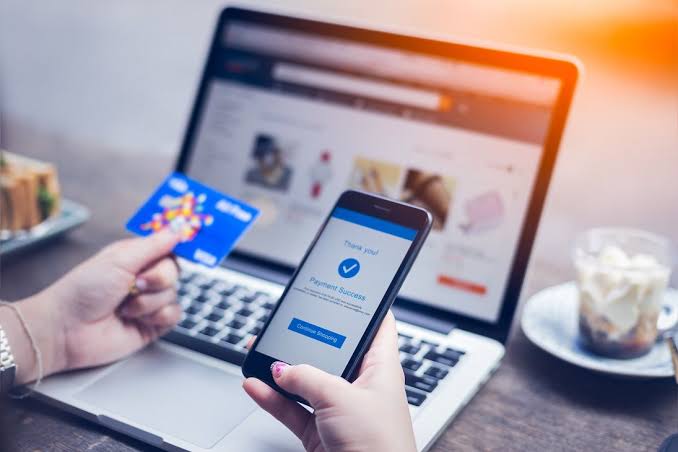
Electronic payments have become an integral part of our daily lives, revolutionizing the way we transact and manage our finances. From online shopping to mobile banking, electronic payments have made financial transactions more convenient and efficient than ever before. However, the world of electronic payments is constantly evolving. This article explores the latest improvements in electronic payments and how they are enhancing both convenience and security for consumers and businesses.
Contactless Payments
Contactless payments, enabled by near-field communication (NFC) technology, have gained widespread acceptance in recent years. This technology allows users to make payments by simply tapping their credit or debit cards, smartphones, or smartwatches on a contactless payment terminal. The key benefits of contactless payments include:
Speed and Convenience: Contactless payments are faster and more convenient than traditional chip-and-PIN transactions. This is particularly useful in high-traffic areas, such as public transportation or fast-food outlets.
Enhanced Security: Contactless transactions are encrypted and include built-in security features, making them as secure as traditional chip-and-PIN payments.
Widespread Adoption: The adoption of contactless payment technology continues to grow, with many businesses and financial institutions embracing it.
Mobile Wallets
Mobile wallets have seen significant advancements in recent years, with major players like Apple Pay, Google Pay, and Samsung Pay leading the way. These wallets offer the following benefits:
Digital Wallet Integration: Mobile wallets allow users to store multiple credit and debit cards, loyalty cards, and even boarding passes in one convenient app.
Enhanced Security: Mobile wallets often employ biometric authentication methods, such as fingerprint or facial recognition, to ensure secure access to payment information.
Integration with Transit Systems: Many mobile wallets now support integration with public transit systems, making it easy for users to pay for fares with their smartphones.
Cryptocurrency Payments
Cryptocurrencies like Bitcoin and Ethereum are being increasingly accepted as a form of payment. While they are not yet mainstream, they offer some unique advantages:
Decentralization: Cryptocurrencies operate on decentralized blockchain technology, reducing the need for intermediaries like banks and reducing transaction fees.
Cross-Border Transactions: Cryptocurrencies facilitate fast and cost-effective cross-border transactions, which can be particularly beneficial for international businesses and freelancers.
Security: Blockchain technology is known for its robust security, making cryptocurrency payments resistant to fraud and counterfeiting.
Biometric Authentication
Biometric authentication, such as fingerprint recognition, facial recognition, and voice recognition, is becoming more common in electronic payments. These methods enhance security and streamline the payment process:
Enhanced Security: Biometric authentication methods are difficult to replicate, reducing the risk of unauthorized access.
Convenience: Users find biometric authentication more convenient than entering PINs or passwords.
Continuous Innovation: Companies are exploring new biometric methods, such as palm vein scanning and iris recognition, to further improve security.
Enhanced Fraud Detection
Financial institutions and payment processors are investing heavily in advanced fraud detection technologies. Machine learning and artificial intelligence algorithms analyze transaction data in real-time, allowing for the quick detection of suspicious activities:
Real-Time Monitoring: These systems continuously monitor transactions and can detect anomalies, like unusual spending patterns or locations, and block or flag them for further review.
Reduced False Positives: Advanced fraud detection systems aim to minimize false positives, ensuring that legitimate transactions are not wrongly declined.
Blockchain and Smart Contracts
Blockchain technology is not limited to cryptocurrencies; it also has applications in enhancing traditional electronic payment systems. Smart contracts, which automatically execute and enforce contractual agreements, can be used in various payment scenarios:
Transparency and Trust: Blockchain’s transparent and immutable ledger improves trust and security in financial transactions.
Automation: Smart contracts can automate payment processes, reducing the need for intermediaries and decreasing the chances of errors.
Conclusion
Electronic payments have evolved significantly, providing users with greater convenience and improved security. From contactless payments and mobile wallets to cryptocurrency adoption and biometric authentication, the electronic payment landscape continues to innovate. As technology advances, we can expect even more developments in the future, further enhancing the way we make transactions and manage our finances. As these advancements continue, consumers and businesses can enjoy the benefits of quicker, safer, and more convenient electronic payments.
2 / 2
 Site Title